

Your Guide to Building the Perfect Custom Trailer
When it comes to hauling heavy equipment, launching outdoor adventures, or streamlining your workday, a one-size-fits-all trailer just won’t cut it. In fact, nearly 70% of trailer buyers end up modifying off-the-shelf models — often at extra cost and time — because their needs weren’t met upfront. That’s where the custom trailer building process becomes a game-changer. Whether you're in Minnesota, across the Midwest, or beyond, understanding how to design a trailer tailored to your exact load, terrain, and usage can save money and boost efficiency in the long run.
This guide walks you through the essential steps of creating a custom trailer from concept to completion. You’ll learn how to define your payload capacity, choose the right frame materials, select axle configurations, and incorporate must-have features like lighting, braking systems, and tie-down points. We’ll also cover best practices for matching trailer dimensions to your towing vehicle and navigating regional regulations that affect weight and size limits.
By the end, you'll have a clear roadmap for working with builders to craft a durable, purpose-built solution—whether for landscaping, construction, recreation, or hauling specialty cargo.
From Vision to Road-Ready: Your Step-by-Step Guide to Designing a Custom Trailer
Designing a custom trailer doesn’t have to feel overwhelming. With the right approach, you can go from a rough idea to a road-ready asset tailored perfectly to your needs. Follow this proven process to ensure every detail aligns with your purpose, budget, and regional requirements.
- Define Your Core Use Case
Start by identifying exactly what you’ll haul — equipment, gear, or specialty cargo. This determines trailer size, weight capacity (GVWR), and necessary features like ramps, tie-downs, or enclosed walls. For example, Minnesota-based users often prioritize weatherproofing and corrosion-resistant materials due to winter conditions. - Choose the Right Frame and Suspension
Select a frame style — single axle, tandem, or gooseneck — based on your payload. Heavier loads need torsion axles or leaf springs with adequate spring rate and load rating. Verify tire size and load range match your calculated GVWR. - Customize Dimensions and Layout
Work within legal width and length limits (typically 8.5 ft wide in most U.S. states). Customize deck height, tongue length, and interior configuration. Use sketches or online tools to visualize storage zones, door placement, or toolboxes. - Finalize Materials and Finishing
Opt for aluminum for lightweight durability, or steel for heavy-duty resilience. Add skid-resistant flooring, LED lighting, and D-ring anchors. Apply powder coating or marine-grade sealants for long-term protection. - Review and Approve Build Specifications
Confirm all measurements, components, and compliance with Department of Transportation (DOT) standards before production begins. Double-check brake types, lighting, and registration prep.
With these steps, you’ll create a reliable, purpose-built trailer that performs where and how you need it most.
Why Custom-Built Trailers Outperform Off-the-Shelf Models
When hauling heavy equipment, transporting recreation vehicles, or moving large loads across regions like southern Minnesota and the Midwest, choosing the right trailer is critical. While standard models are readily available, a custom-built trailer offers distinct advantages that directly address real-world challenges faced by professionals and enthusiasts alike.
Increased durability: Custom trailers are engineered to match your specific payload, terrain, and frequency of use — reducing strain on components and extending service life.*
Optimized functionality: Need a lower deck height for ATV loading? How about specialized tie-down points for landscaping tools? Custom builds allow tailored dimensions, flooring types, axle configurations, and gate designs that standard units simply can’t offer.
Compliance and safety: Proper tongue weight, balanced frame geometry, and correct lighting configurations aren’t afterthoughts — they’re built-in from the start, helping meet DOT and state-specific regulations in Minnesota and neighboring states.
Long-term cost savings*: Avoid repeated repairs or replacement due to under-spec’d equipment. A trailer designed around your use case reduces downtime and increases on-road reliability.
Whether you’re hauling machinery through rural Luverne or prepping for off-grid adventures, a made-to-order trailer delivers performance, peace of mind, and a better return on investment.
7 Essential Custom Trailer Features You Can Personalize for Your Needs
When investing in a custom trailer, personalization isn’t just about looks — it's about functionality, longevity, and perfect fit for your hauling needs. Whether you're transporting equipment across southern Minnesota or outfitting a trailer for seasonal outdoor adventures, the right customization options make all the difference. Here are seven key features to consider when tailoring your next trailer.
- Hauling Capacity & Frame Design
Choose from single-axle to tandem-axle configurations and reinforced A-frame or gooseneck designs to support heavier loads. Matching your trailer’s GVWR (Gross Vehicle Weight Rating) with your tow vehicle ensures safer, more efficient transport. - Decking Material & Floor Strength
Opt for pressure-treated wood, aluminum, or composite flooring depending on your load type. Aluminum resists corrosion and reduces overall weight, ideal for frequent use in variable weather conditions across the Midwest. - Tie-Down & Utility Configurations
Customize with integrated D-rings, E-track systems, or removable pipe/rail carriers. Having secure anchoring points prevents shifting during transit, especially when hauling machinery or ATVs. - Ramp Options & Loading Features
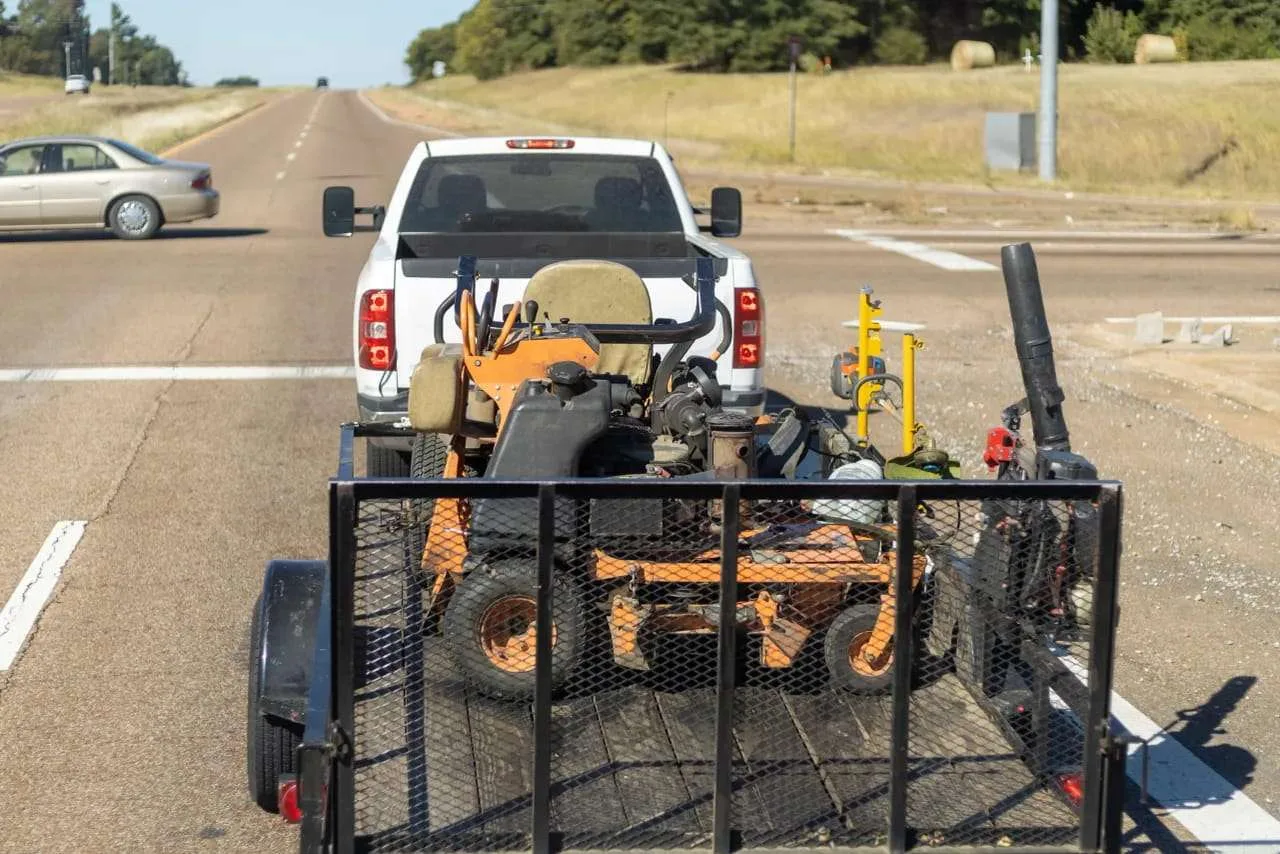
Side ramps, rear fold-down gates, or hydraulic lift gates enhance accessibility. Consider width, angle, and weight capacity — especially for lawn equipment or livestock trailers. - Lighting & Wiring Systems
Upgrade to LED lighting packages with junction boxes and weather-resistant connectors. These improve visibility and comply with Minnesota DOT regulations for nighttime or low-visibility travel. - Color, Graphics & Branding
Add personal style with powder-coated finishes, vinyl wraps, or custom logos. This not only boosts pride of ownership but is ideal for contractors promoting local services. - Enclosure & Weather Protection
Choose open utility trailers or enclosed models with side doors, roof vents, and locking mechanisms. Fully-enclosed trailers provide theft deterrent and protection from snow, rain, and road debris.
Your Guide to Custom Trailer Construction, Pricing, and Timelines
How long does it take to build a custom trailer?
Build timelines for custom trailers typically range from 4 to 12 weeks, depending on design complexity, parts availability, and shop workload. Simpler utility or cargo trailers may fall on the shorter end, while fully customized builds with specialized features like living quarters, toolboxes, or hydraulic ramps require more time. To avoid delays, ensure your design is finalized early and materials are confirmed in stock.
What factors influence the cost of a custom trailer?
Pricing hinges on size, materials (like aluminum vs. steel), axle configuration, brake types, and added features such as electric winches, custom paint, or interior lighting. Upgrades in suspension, flooring thickness, and certification for highway use also affect costs. It’s essential to balance budget with intended use — overbuilding wastes money, while underbuilding leads to premature wear.
Do I need special permits for a custom trailer?
Yes, if your trailer exceeds certain dimensions or GVWR (gross vehicle weight rating), state or local regulations may require registration, lighting, braking, and safety certifications. Always verify compliance with Minnesota DOT or your local jurisdiction before finalizing design specs.
Can I modify an existing trailer instead of building new?
Refurbishing can save time and money if the frame and axles are in good condition. Common upgrades include new decking, fenders, ramps, and wiring. However, structural changes or significant size increases often make a ground-up build more practical.
What are the most common customization requests?*
Tandem axles for better weight distribution
E-coated or galvanized steel for rust resistance in Midwest climates
Lockable storage compartments and toolboxes
Custom ramps or loading systems
LED lighting packages and trailer plug upgrades
Your Trusted Path to Smarter, Smarter-Built Trailers
Custom trailers aren't just about personalization — they're a strategic investment in efficiency, durability, and long-term cost savings. Whether you're hauling heavy equipment across Minnesota job sites or preparing for weekend adventures in the Black Hills, investing in a trailer engineered for your specific load, terrain, and usage frequency pays dividends in performance and peace of mind. Off-the-shelf models often force compromises in size, weight capacity, or feature layout, leading to inefficiencies and potential safety concerns. A well-crafted custom solution eliminates those trade-offs.
When evaluating your needs, consider tare weight, payload capacity, tongue weight distribution, and axle configuration — key factors influencing fuel economy, towing safety, and compliance with local DMV regulations. Features like ramp gate styles, tie-down point placement, and lighting packages should align with how you load and secure cargo. For businesses operating fleets, consistent custom designs streamline maintenance and driver training.
Now is the time to assess your current hauling challenges.
Taking these steps ensures your next trailer isn’t just built — it’s built right. Start designing with confidence today.